

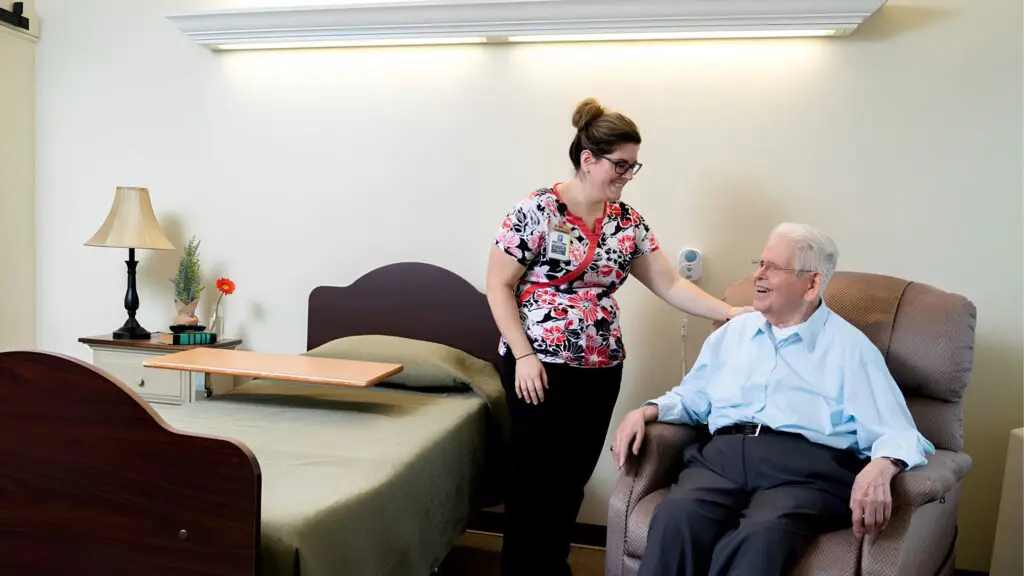
Deciding when it is time for personal care can feel overwhelming for seniors and their families. Many people worry that accepting additional support means giving up independence, but in reality, the right care at the right time often helps preserve dignity, safety, and quality of life.
For older adults, small daily challenges can gradually become larger concerns. For adult children and caregivers, it can be difficult to know when occasional help is no longer enough.
Recognizing the early signs allows families to make thoughtful, compassionate decisions instead of waiting for a health crisis.
At United Zion Retirement Community, we believe planning ahead empowers seniors to thrive physically, emotionally, and spiritually while maintaining as much independence as possible.
Understanding Personal Care and Who It Helps
Personal care is designed for seniors who value independence but need support with certain daily activities. This may include help with medication management, bathing or dressing, meal preparation, housekeeping, mobility support, and social engagement.
Unlike skilled nursing, personal care provides a supportive environment without the intensive medical setting many families associate with nursing homes.
For many seniors, personal care offers the perfect balance between freedom and security. Residents maintain active lifestyles while gaining peace of mind knowing support is available when needed.
For families exploring long-term options, communities that offer a full continuum of care; including independent living, personal care, rehabilitation, and skilled nursing—can provide added confidence for the future.
7 Signs It May Be Time for Personal Care
Every family’s journey is unique, but certain patterns often indicate that additional support may improve a loved one’s well-being.
1. Daily Tasks Are Becoming More Difficult
If routine activities such as cooking, cleaning, dressing, or bathing are becoming challenging, this may signal the need for more consistent support.
Warning signs include missed meals, unopened mail, difficulty with maintaining hygiene, cluttered or unsafe living spaces.
2. Safety Concerns Are Increasing
Falls, medication mistakes, or mobility struggles can quickly escalate into serious health risks. Common indicators include frequent falls or near-falls, trouble navigating stairs, missed medications, as well as wandering or confusion.
A safer environment with professional support can reduce these risks significantly.
3. Health Needs Are Becoming More Complex
Chronic illnesses, recovery from surgery, or increased medical appointments can make living alone more difficult. Personal care may be beneficial when multiple medication management becomes overwhelming, transportation to appointments becomes difficult, increased health episodes, and family caregivers are stretched too thin.
4. Isolation or Loneliness Is Affecting Quality of Life
Social wellness is essential for healthy aging. Seniors who live alone may experience increased loneliness, depression, or withdrawal. Signs include loss of interest in hobbies, fewer social interactions, declining emotional health, and reduced physical activity.
A vibrant retirement community can provide meaningful relationships, activities, and spiritual support.
5. Family Caregivers Are Experiencing Burnout
Caregiving can be deeply meaningful, but it can also create physical, emotional, and financial strain. Signs of caregiver burnout include constant stress, exhaustion, missed work, emotional overwhelm, and difficulty balancing personal responsibilities.
Choosing personal care is not giving up. It’s often an act of love that ensures sustainable, professional care. Considering senior living options before a crisis can help families make thoughtful decisions with greater peace of mind.
6. Nutrition or Hygiene Is Declining
Poor eating habits, weight loss, or neglected hygiene may indicate that independent living is becoming harder to manage. Look for expired food, noticeable weight change, lack of hygiene, and repeatedly wearing the same clothes.
Proper nutrition and daily care can dramatically improve overall health and confidence.
7. Memory Changes Are Becoming More Noticeable
Occasional forgetfulness can be normal, but repeated confusion, missed appointments, or unsafe behavior may suggest a need for increased support. Potential warning signs include frequent disorientation, missed bills, medication errors, and increased forgetfulness.
Early intervention often allows for better care planning and improved quality of life.
Why Early Planning Matters

One of the biggest mistakes families make is waiting until an emergency forces a decision. Early planning offers more housing and care options, greater resident choice, easier emotional transitions, better financial planning, and longer increased independence.
By exploring options proactively, seniors can participate in decisions about their future rather than reacting during a crisis.
Personal Care vs. Other Senior Care Options
Understanding available care levels is essential. You have many options available, such as
- Independent Living: Best for active seniors who want maintenance-free living with community amenities.
- Personal Care: Ideal for seniors who need help with daily tasks while maintaining as much independence as possible.
- Skilled Nursing: Provides advanced medical care for more serious or ongoing health conditions.
- Rehabilitation Services: Supports short-term recovery after surgery, illness, or injury.
A continuing care retirement community offers flexibility by allowing seniors to transition between care levels as needs change.
How to Start the Conversation with a Loved One
Discussing personal care options can be emotional. Families often find better outcomes by approaching conversations with compassion rather than urgency.
Don’t wait until there’s an emergency. Instead, start early, focus on safety and quality of life, listen respectfully, include the senior in planning, emphasize independence preservation, and explore communities together.
Faith, family values, and long-term peace of mind can also provide meaningful guidance.
Choosing the Right Retirement Community
Not all senior living communities are the same. When evaluating options, families should consider continuum of care availability, community culture, faith-based values, wellness programs, social opportunities, financial transparency, as well as location and family access.
For many families, a nonprofit Christian retirement community like United Zion offers both compassionate care and a mission-driven environment centered on dignity, respect, and vibrant living.
Peace of Mind for Today and Tomorrow
Knowing when it’s time for personal care is rarely about one single event. More often, it is about recognizing patterns that suggest greater support could improve life for both seniors and their loved ones.
Making this transition proactively can enhance safety, preserve dignity, reduce family stress, increase social connection, as well as support physical and spiritual wellness.
With the right community, personal care can be a positive next step that empowers seniors to continue living fulfilling, joyful lives.
If you are exploring retirement living options for yourself or a loved one, United Zion Retirement Community is here to guide you with compassion, experience, and faith-centered care. You can learn more about our personal care options here >
Frequently Asked Questions
What are the signs it’s time for personal care?
Common signs include difficulty with daily activities, falls, medication issues, isolation, declining hygiene, memory concerns, and caregiver burnout.
Is Personal Care the same as a nursing home?
No. Personal care supports independence while offering help with daily tasks, while nursing homes provide more advanced medical care.
Can personal care help preserve independence?
Yes. Many seniors maintain more freedom with the right support than they would living alone with unmanaged challenges.
When should families begin planning for senior care?
Ideally, families should begin discussions before urgent health or safety concerns arise.
How do I talk to my parent about personal care?
Approach the conversation with empathy, focus on safety and quality of life, and involve them in decision-making.