


Paying for senior living in PA can feel overwhelming, especially when families are trying to balance care needs, timing, and cost. Planning for senior care is both a financial and emotional decision, and many Pennsylvania families face it with urgency and a lot of unanswered questions.
How much will this cost? What does insurance actually cover? And how do you make the right choice without getting overwhelmed?
This guide breaks down realistic expenses, explains what influences pricing, and walks through the most common senior care financial options in PA so you can make informed decisions that support you or your loved one’s needs.
How Much Does Senior Living Cost in Pennsylvania?
As of 2026, costs vary widely depending on the type of care, services provided, and location.
In general, costs increase as care needs become more hands-on. Independent living is typically the most affordable option, while personal care and skilled nursing require more support and therefore higher monthly costs.
It also helps to think in terms of total monthly spending. Housing, food, utilities, transportation, and care services all add up, whether someone stays at home or moves to a community. These baseline costs are an important starting point when comparing different levels of care.ve a helpful starting point.
What Drives the Cost of Senior Living?
Costs are shaped by a few key factors.
The biggest is the level of care needed. Independent living requires little to no medical support, while personal care, memory care, and skilled nursing include hands-on assistance and clinical oversight.
Pricing also depends on what is included. Some communities bundle services into one monthly rate. Others charge a base fee and add care costs based on need.
Location plays a role as well. Urban areas and high-demand regions in PA often cost more than smaller towns or suburban areas.
Understanding these variables makes it easier to compare options and choose the right path when paying for senior living in PA.
What Are You Paying For?
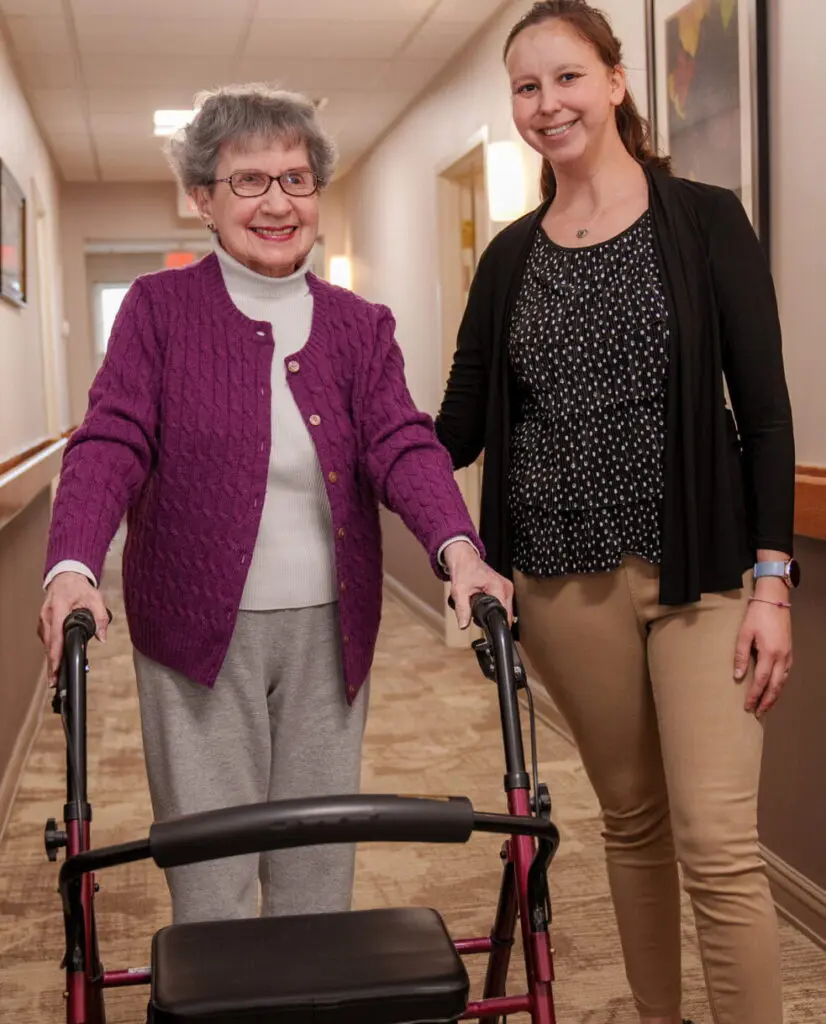
Monthly cost is only part of the picture.
Senior living communities combine housing with services that support daily life and health. This often includes:
- Maintenance-free living
- Meals and dining services
- Social events and wellness programs
- Access to trained staff and healthcare support
Many families find these services replace costs they were already paying at home. Home maintenance, groceries, transportation, and in-home care can add up quickly.
In a community, these services are coordinated in one place, which can improve safety and reduce stress for both residents and caregivers. This is one reason many families begin exploring senior care financial options in PA when considering a move to a community.
Senior Care Financial Options in PA
Most families use a mix of resources over time. It is rare for one funding source to cover everything when paying for senior living in PA.
1. Private Pay
Many people start with personal funds such as savings, retirement accounts, Social Security, pensions, or proceeds from selling a home.
Private pay offers flexibility but requires planning to make sure funds last as care needs increase.
A good first step is to map out a long-term budget based on current income and expected expenses.
2. Long-Term Care Insurance
Long-term care insurance can help cover services across settings, including home care, personal care, and skilled nursing.
Coverage depends on the policy. Review benefit limits, waiting periods, and covered services early to avoid delays.
3. Veterans Benefits (Aid and Attendance)
Veterans and surviving spouses may qualify for monthly financial support through the VA’s Aid and Attendance benefit.
This program helps cover care for those who need help with daily activities such as bathing, dressing, eating, transportation, or managing medications.
Funds can be used toward:
- In-home care
- Assisted living
- Skilled nursing care
Monthly benefit amounts vary, but can provide meaningful support. Some veterans may receive over $1,700 per month, with additional support available for spouses and couples.
Because eligibility and applications can be complex, many families work with an accredited VA advisor.
4. Medicaid (Medical Assistance) in Pennsylvania
Medicaid, called Medical Assistance in PA, is a key part of paying for senior living in PA for those who meet income and asset requirements.
It can cover:
- Skilled nursing care
- Certain home and community-based services
Programs like Community HealthChoices (CHC) and LIFE help coordinate care and support services outside of nursing homes when appropriate.
Most continuing care communities require residents to be private pay for a specified period of time before they transition to Medicaid.
5. Medicare
Medicare helps with healthcare costs but does not cover long-term care.
It may cover short-term skilled nursing after a hospital stay, usually up to 100 days, along with medical services and some home health care.
After that, most long-term care costs shift to private pay or other programs.
In Pennsylvania, PA MEDI offers free guidance on Medicare options.
6. Additional Financial Options
Some families use additional strategies to help cover gaps, especially during periods of transition.
These may include:
- Life insurance conversions: In some cases, an existing life insurance policy can be converted into cash through a life settlement. This can provide funds to help pay for care while still preserving some value from the policy.
- Bridge loans: Short-term loans can help cover costs temporarily, such as when a home is being sold.
- Family contributions: It is common for family members to share financial responsibility, either by contributing monthly or helping cover specific expenses.
These options are typically used as short-term solutions rather than long-term funding strategies. They can provide flexibility and help families manage costs while more permanent financial plans are put in place.
Is Staying at Home Less Expensive?
In many cases, staying at home can look more affordable at first, but the full cost often tells a different story.
Once support is needed, expenses tend to grow beyond basic housing. Families typically need to account for ongoing costs such as housing and utilities, home maintenance and repairs, safety modifications, transportation, and in-home care services.
As care needs increase, the number of in-home care hours usually rises as well, which can significantly increase monthly spending over time.
It is also important to look beyond cost. Safety, social interaction, and caregiver stress all play a role in determining whether staying at home is the right long-term solution. These factors often shape how families approach paying for senior living in PA.
Practical Planning Tips

A few steps can make paying for senior living in PA more manageable:
- List income sources such as Social Security, pensions, and savings
- Review Medicare and Medicaid eligibility early
- Build a realistic monthly budget
- Set aside an emergency fund if possible
- Stay alert to financial scams
- Consider speaking with a financial planner experienced in long-term care planning
- Reach out to senior living communities to better understand pricing, services, and available financial guidance
Taking these steps early can help you better understand your options, avoid surprises, and move forward with greater confidence as care needs evolve.
Understanding Financial Eligibility at United Zion
When evaluating senior living options, it helps to understand how financial eligibility works in a real-world setting.
At United Zion, eligibility is based on a full financial picture. This includes income sources, assets, and any insurance coverage. With a simple preliminary application, the community can provide an initial review using financial planning tools. This gives families a clearer understanding of what is realistic before making any commitments.
Long-term care insurance can be helpful, but it is not required. All financial resources are considered together, which allows for more flexibility when planning for care.
Families can also review different entrance fee options and financial structures with guidance from the community. These conversations can include family members or financial advisors, helping ensure that decisions are well-informed.
One key advantage of a continuing care retirement community is long-term security. Residents have a plan in place for future care needs, even if their financial situation changes over time.
Moving Forward
Start by gathering the right information and understanding your options.
At United Zion Retirement Community, we can help you explore senior care financial options in PA and understand what paying for senior living in PA looks like for your situation.
Learn more about United Zion’s financial offerings and insurance-related coverage by requesting information or giving us a call at (717) 627-8421.